Home / Condo Insurance

Frisco Condo Insurance: Your HOA's bad day can become your bill.

Many condo policies carry a small default for loss assessment. A master policy hail deductible on the whole building can be far bigger. We compare carriers and close the gap.

HO-6Your Policy, Drywall In
3Master Policy Types To Know
MultipleCarriers We Compare
LocalBased in Frisco
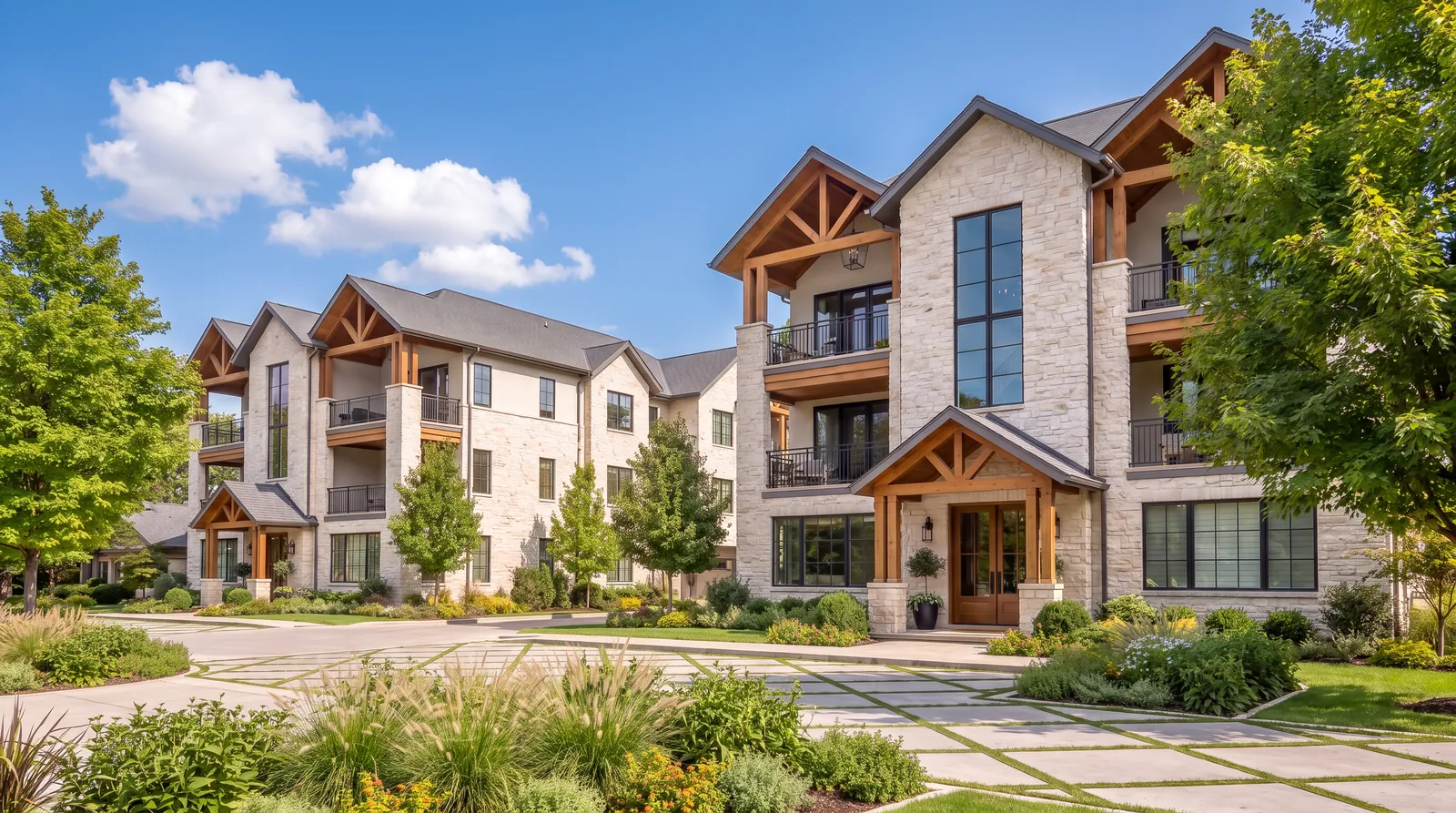
Stone and wood condo buildings with landscaped grounds
The Quick Answer

A condo policy (HO-6) covers your unit's interior, your belongings, your liability, loss of use and loss assessment. Your HOA's master policy covers the building and common areas, and the boundary between the two is set by your declaration and bylaws, not by either policy. Master policies come in three types: bare walls-in, single entity and all-in; for Texas condos created on or after January 1, 1994, the Uniform Condominium Act's default has the association insuring the units excluding your improvements, unless the declaration says otherwise. The number to watch in North Texas is the master policy's percentage wind and hail deductible, commonly 1 to 2 percent of the building's insured value, which associations can assess to owners after a hailstorm, while many HO-6 policies start with a low loss assessment default. Flood needs its own policy for your belongings. 33° North Insurance Group, an independent agency in Frisco, reads the master policy with you and compares several carriers. Call (972) 987-0650.

Your policy covers
Drywall in, plus assessments
Start with
The master policy declarations page
Biggest gap
Loss assessment vs. the hail deductible
Call first
(972) 987-0650
Frisco Condo Insurance, The Short Version

One number on your policy is probably small. Your building's hail deductible probably isn't.

Condo insurance looks simple. The HOA insures the building, you insure your stuff, and everyone gets on with life. That story holds up until the building has a serious problem. In North Texas that's usually hail riding in on a spring thunderstorm, or a hard freeze like February 2021 that bursts pipes across several units.

When a loss exceeds the master policy limits, or the master policy has a large deductible that somebody has to pay, the board can levy a special assessment and split the cost among every owner. Now it's your bill, in an amount you didn't choose. Many North Texas master policies use a percentage wind and hail deductible, calculated on the building's insured value. Run it once with round numbers: for example, a community insured for $12 million with a 2 percent wind and hail deductible would owe $240,000 before the master policy pays on a hail claim. Split among 60 units, that's about $4,000 per owner.

Your HO-6 has a coverage built for exactly this, called loss assessment. The default limit on many policies is small, often around $1,000, which against a six-figure hail deductible falls well short. Raising it often costs relatively little. One more piece of fine print to ask about: some policies cap the portion of an assessment that comes from the master deductible, no matter how much loss assessment coverage you bought. We check that clause by name.

The second thing nobody tells condo owners: your declaration and bylaws, not your policy, define where the association's responsibility ends and yours begins. For Texas condos created on or after January 1, 1994, the Uniform Condominium Act sets a default: the association insures the units, excluding the improvements and betterments owners installed, unless the declaration says otherwise. Older communities and amended declarations can draw that line differently. So the right way to insure a condo is to start with the master policy declarations page and the declaration, then build the HO-6 to fit the gap they leave. As an independent agency, we then compare several carriers to find the best fit. Bring the paperwork.

Three master policies. Yours decides what you need.

Ask your association which one your building carries. It's the most useful question a condo owner can ask, and most owners have never asked it.

Master type 1
Bare Walls

Bare Walls-In

Covers the structure and common areas and stops at your studs. Everything inside is yours: drywall, flooring, cabinets, counters, fixtures and appliances. This needs the most dwelling coverage on your HO-6.

Master type 2
As Built

Single Entity

Covers your unit as it was originally built, but not what you've done since. Your renovated kitchen and the floors you replaced are improvements, and improvements are yours. Middle of the road, and the most commonly misunderstood.

Master type 3
All-In

All-Inclusive

Covers fixtures and finishes inside the unit too, leaving you mainly your belongings, your liability and assessments. It costs the association the most and needs the least from you. More common in newer mid-rise and luxury buildings.

The big one
Match It

Loss Assessment

Pays your share when the association levies a special assessment after a covered loss or to meet its master deductible. The default is often small. Match it to the highest deductible on the master policy, which in North Texas is usually the wind and hail deductible, and ask whether deductible-driven assessments are capped.

Commonly missed
Your Reno

Improvements & Betterments

The kitchen you redid, the floors you upgraded, the built-ins. Even a generous master policy usually insures the unit as originally built. Your upgrades belong in your dwelling limit, at what they'd cost to redo today.

Core
$300k+

Personal Liability

The guest who falls, and the burst supply line in your unit that soaks the condo below. In stacked buildings, water travels down and finds neighbors on the way. This is the coverage that answers for them.

Freeze
Burst Pipes

Water Damage From Inside

Sudden water from a pipe that freezes and bursts is generally covered for your interior and belongings, subject to your deductible and reasonable care. After February 2021, many North Texas owners learned how far one burst line can travel.

Not covered
Common Areas

The Building Itself

Roof, exterior, hallways, elevators, pool and parking. That's the master policy's job, funded by your dues. Your exposure there isn't the repair cost, it's the assessment that follows when the master policy falls short.

Not covered
Upkeep

Maintenance Assessments

An assessment has to come from a peril your policy covers. Resurfacing the pool, replacing a worn-out roof or refilling an underfunded reserve is maintenance, and no policy pays for that. Read the reserve study before you buy. For rising water, your belongings need their own contents flood policy.

Do you know your loss assessment limit?

Almost nobody does, and it's often small. Send us your declarations page and your association's master policy page, and we'll find the gap.

Getting It Right

How to actually insure a condo, in order.

There's a right sequence here, and it doesn't start with your own policy. It starts with two documents you may never have read.

1. Get the master policy declarations page

Ask your property manager or board. Texas condominium associations are required to carry property insurance, so asking what it says is a routine request.

You're looking for two things. Which type it is: bare walls-in, single entity or all-in. And the deductibles, per peril, above all the wind and hail deductible, because in North Texas that percentage figure is the number most likely to become an assessment with your name on it. If the master deductible is six figures, a small loss assessment limit on your policy isn't protection, it's a formality.

2. Read the declaration for the boundary

This is the step people skip and later regret. Your declaration, not either insurance policy, decides who pays for what after a loss. For Texas condos created on or after January 1, 1994, the Uniform Condominium Act's default is that the association insures the units, excluding owner improvements, unless the declaration says otherwise. Windows, balconies, patios and plumbing are the usual battlegrounds, and different declarations draw the lines differently. Older buildings and amended declarations can surprise you.

3. Build the HO-6 to fill the actual gap

Now the policy makes sense. Your dwelling limit covers what the master policy doesn't, including your improvements at today's cost. Your personal property reflects what you actually own, with valuables scheduled. Your liability is sized for stacked living, where your burst hose can become a neighbor's ceiling. Your loss of use reflects what a comparable place rents for nearby. Your loss assessment matches the master policy's biggest deductible, with the deductible-assessment cap checked by name. And if you want protection beyond the master policy's liability, an umbrella policy can sit on top of your HO-6 and auto.

4. Plan for North Texas weather inside the unit

Spring brings hail, straight-line winds and the occasional tornado; winter can bring a hard freeze like February 2021. The master policy handles the building, but water from a burst pipe in your unit can still land on your HO-6, and on your neighbors. If you travel when a freeze is forecast, keep the heat on, drip faucets and know where your unit's water shutoff is.

5. Watch what's happening to your association

North Texas association insurance has gotten harder after repeated hail seasons. When a master policy gets higher deductibles, lower limits, actual cash value roof settlement or narrower terms, that risk doesn't disappear. It moves to the owners, as bigger assessments when something goes wrong. So the year your association's insurance gets worse is the year your loss assessment limit matters most. If your board sends a notice about the master policy, bring it to us and we'll tell you what it did to your exposure. On interpreting the declaration or any dispute with the association, talk to an attorney. We handle the insurance side.

Did your association just change its master policy?

Cuts to the master policy move risk onto owners. If a notice landed in your mailbox, bring it in and we'll show you what changed for you.

Every building is different. So is every policy.

A stacked unit, a townhome, the condo you rent out, the one you just put an offer on. Each one changes the answer.

Bring the master policy page. We'll do the rest.

We'll tell you which type your association carries, what it leaves you and what your HO-6 should actually say, then compare several carriers. Free.

Condo insurance in Frisco. Condos and townhomes across North Texas.

Condo and townhome communities in Frisco, Plano, McKinney, Allen, Lewisville and Carrollton, and across Collin and Denton counties. Every HOA is different. Tell us where the unit is.

Frisco condo insurance questions. Straight answers.

What does condo insurance actually cover?

An HO-6 policy covers your world from the drywall in: your unit's interior and improvements, your personal property, your personal liability, loss of use if the unit can't be lived in, and loss assessment, the piece almost everyone under-buys.

It doesn't cover the roof, exterior, hallways, pool or parking. Those belong to the HOA's master policy, and the line between the two is drawn by your declaration and bylaws, not by either insurance policy.

What's the difference between my HO-6 and the HOA master policy?

The master policy is bought by the association and paid for through your dues. It covers the building and common areas, and sometimes parts of the units. Your HO-6 is your own policy for what the master policy leaves to you, plus your belongings, your liability and your share of assessments.

The two are meant to fit together without gaps or overlap. The only way to know where the seam is: read the master policy declarations page and your declaration, then build the HO-6 around them.

What is loss assessment coverage, and why does everyone say it matters?

When a loss exceeds the master policy limits or triggers a large master deductible, the board can levy a special assessment and divide the bill among all owners. Loss assessment coverage on your HO-6 pays your share.

The catch: many policies start with a low default, often around $1,000, while North Texas master policies often carry percentage hail and wind deductibles that can reach six figures on the building. Raising the limit often costs relatively little, and it's one of the best values on the policy.

What are the three types of HOA master policy?

Bare walls-in covers the structure but nothing inside your unit. Single entity covers the unit as originally built, but not your upgrades.

All-in covers interior fixtures and finishes too. Which one your building carries decides how much dwelling coverage you personally need. For Texas condos created on or after January 1, 1994, the Uniform Condominium Act's default has the association insuring the units excluding your improvements, close to single entity, but declarations vary, so read yours.

Who pays the master policy's hail deductible after a North Texas storm?

Often, the owners do. Many North Texas master policies carry a wind and hail deductible calculated as a percentage of the building's insured value, commonly 1 to 2 percent and sometimes more. For example, on a building insured for $12 million, a 2 percent deductible would be $240,000, and associations can assess that to owners.

Here's the fine print that matters: some HO-6 policies cap the portion of an assessment that comes from a master policy deductible, regardless of your overall loss assessment limit. Ask that question by name before hail season.

Does condo insurance cover burst pipes in a freeze?

Generally yes, for the parts that are yours. Sudden water damage from a pipe that freezes and bursts is typically covered, subject to your deductible and the policy's conditions, which usually expect reasonable care such as keeping the heat on.

The February 2021 winter storm showed how a freeze can damage several stacked units at once. The master policy handles the building, but your interior, belongings and liability to the neighbors below can still land on your HO-6. Know where your unit's water shutoff is.

Does condo insurance cover flooding?

No HO-6 covers rising water. The association can insure the building against flood with its own policy, and if the building is underinsured, the shortfall can come back to owners as an assessment.

Your belongings need a separate contents flood policy, which may be available through the NFIP and is often modest in cost for a condo owner. NFIP policies generally have a 30-day waiting period. Flash flooding happens across North Texas, so for communities near creeks or in low-lying areas, we check both layers.

Who pays when water damage crosses between units?

It's the most common dispute in condo living, and it's fact-specific. It turns on where the water came from, who owns the plumbing that failed, and negligence.

Roughly, water from association-owned lines is the association's responsibility for the structure, though your interior may still fall to your HO-6 depending on the master policy type. Water from a pipe inside your unit is yours, and if it soaks the units below, your liability coverage answers for their damage.

Is condo insurance required in Texas?

Not by state law. By your lender, almost certainly, if you have a mortgage.

And often by your declaration or bylaws, which can require unit owners to carry an HO-6 with minimum limits. Even without a requirement, going without leaves your interior, belongings, liability and share of any assessment uncovered.

How much dwelling coverage do I need on a condo?

It depends on the master policy type. Under bare walls-in, you insure everything from the studs in: flooring, cabinets, fixtures and interior walls. That's a substantial number.

Under single entity or the Texas statutory default, you insure your improvements and betterments at what they'd cost to redo today. Under all-in, you need relatively little dwelling coverage. Start with the master policy declarations page, then build the HO-6 to fit the gap.

What's the difference between condo insurance and renters insurance?

Ownership. A renters policy (HO-4) covers belongings and liability but no part of the structure, because you own none of it.

A condo policy (HO-6) adds dwelling coverage for the interior you do own, plus loss assessment for your share of the association's shortfalls. If you rent out a condo you own, you need a landlord policy instead, and your tenant needs renters insurance.

What should I check before buying a condo?

Three documents before you fall in love: the master policy declarations page (which type, and every deductible, especially wind and hail), the declaration and bylaws (where the association's responsibility ends and yours begins, and any insurance requirements on owners), and the reserve study (an underfunded association is a future assessment with your name on it, and no policy covers maintenance).

We read the insurance pieces with buyers all the time, at no charge.

My HOA just changed its master policy. What should I do?

Bring us the notice.

When a master policy shrinks, with a higher hail deductible, lower limits or a switch from all-in to bare walls, the risk doesn't disappear. It moves to the owners as bigger assessments and bigger personal coverage needs. A few minutes with the new declarations page tells you what changed for you and what your HO-6 needs to absorb it.

Why use an independent agent for condo insurance?

We're an independent agency, so we represent multiple insurance companies and compare several HO-6 options for you. Loss assessment limits, deductible-assessment caps and water damage terms vary by carrier, and those differences matter more than the price alone.

We're local to Frisco and serve condo and townhome owners across North Texas. Call (972) 987-0650 and bring your master policy page.

Still have questions? Call (972) 987-0650. We'll give you a straight answer.

Find the gap before the assessment does.
Free, local and in plain English.

Bring your declarations page and your association's master policy page. We'll show you where your coverage ends and compare what it costs to close the gap.