Home / Home Insurance

Frisco Home Insurance: Insured for what it costs to rebuild.

Not what you paid, and not what Zillow says. We shop several carriers, build the policy on the real number and walk you through hail, wind deductibles, roofs and foundations.

1–2%Common North Texas Wind/Hail Deductible
MultipleCarriers We Compare
LocalBased in Frisco
FreePolicy Review
A stone family home with a landscaped front yard
The Quick Answer

Texas law doesn't require homeowners insurance, but your mortgage lender does. The most important number on the policy is your dwelling limit, which should equal rebuild cost, not market value. In Frisco and across North Texas, hail and wind drive this market: they are typically covered, but often subject to a separate percentage wind/hail deductible, commonly 1 to 2 percent of the dwelling limit (1 percent of a $350,000 limit is $3,500). Watch roof age and whether your roof settles at actual cash value or replacement cost. Foundation movement on clay soil is generally excluded, and flood is excluded and needs its own policy; NFIP policies generally have a 30-day waiting period. If no standard insurer will write a home, the Texas FAIR Plan is the last resort. 33° North Insurance Group is an independent agency in Frisco that shops multiple carriers for you. Call (972) 987-0650.

Insure to
Rebuild cost, not market value
Wind/hail deductible
Commonly 1–2% of dwelling
Not covered
Flood (separate policy)
Free quotes
(972) 987-0650
Frisco Home Insurance, The Short Version

A lot of homes are insured to the wrong number. Or carrying a hail deductible nobody explained.

Ask a homeowner what their house is worth and you'll hear the market value. Ask what their dwelling limit should be and most give the same number. They're different figures. Your dwelling limit should equal what a builder would charge to rebuild your house today. A limit set years ago and nudged up a little each renewal can quietly fall short, and you find out at the worst possible moment.

In North Texas there's a second number that matters just as much: your wind and hail deductible. Many policies here calculate it as a percentage of the dwelling limit rather than a flat dollar amount, and in hail country that number isn't theoretical. It's the check you write after the spring storm that takes your roof. Add roof settlement terms, a hard freeze like February 2021 and the clay soil under the slab, and you can see why the details matter. The job is getting those pieces right, then building sensible liability and deductible choices around them.

The other half of the job is understanding what you already have. Renewals can change deductibles, roof settlement terms and endorsements while looking almost identical to last year's. Most people never notice until the adjuster is on the roof. That's what an independent agent is for. We represent multiple insurance companies, shop your coverage across several of them and stay with you as your needs and the insurance market change.

From Frisco, we'll help you work out what your home realistically costs to rebuild, how hail, wind/hail deductibles and roof settlement are handled on your policy, what flood coverage looks like alongside it and what bundling with auto may do to the price. If you own a condo rather than a house, that's a different policy with different traps. Ballpark it first with the home rate estimator, then call us for the real number.

What a homeowners policy covers. And the three things it usually doesn't.

A standard HO-3 policy is six coverages, labeled A through F. Knowing which does what is how you avoid surprises at claim time.

Coverage A
Rebuild Cost

Dwelling

The structure itself: walls, roof, foundation, built-in appliances. Everything else keys off this number, and it's the one most often set wrong. It should equal what a builder would charge to rebuild today, not the market price of the house.

Coverage B
10% of A

Other Structures

Detached garage, fence, shed, pool house, the workshop out back. It often defaults to 10 percent of your dwelling limit, which is fine until you build something bigger. Garage apartments and large outbuildings can outgrow the default.

Coverage C
50% of A

Personal Property

Everything you'd take with you if you moved. Jewelry, art, cameras and collections usually carry sub-limits, so anything meaningful should be scheduled separately for full coverage.

Coverage D
20% of A

Loss of Use

Pays rent, a hotel and extra living costs while the house can't be lived in. After a big hailstorm or a hard freeze, when contractors are booked out and rentals fill up, this limit deserves a real look.

Coverage E
$300k+

Personal Liability

Covers you when someone is hurt on your property or you damage someone else's, including legal defense. It follows you off the property too. This is where an umbrella policy earns its keep for anyone with real assets.

Coverage F
$1k to $5k

Medical Payments

Pays a guest's minor medical bills regardless of fault, no lawsuit required. Small limits, small cost, and it quietly settles the kind of incident that could otherwise turn into a liability claim.

Usually excluded
Foundation

Clay Soil & Foundation Movement

Most Frisco-area homes sit on a slab, and North Texas clay swells when it's wet and shrinks in drought. The settling, shifting and cracking that follow are generally excluded as earth movement or wear. Some policies may respond to certain damage tied to a sudden plumbing leak, but wording varies, so we read yours with you.

Not covered
Flood

Flood

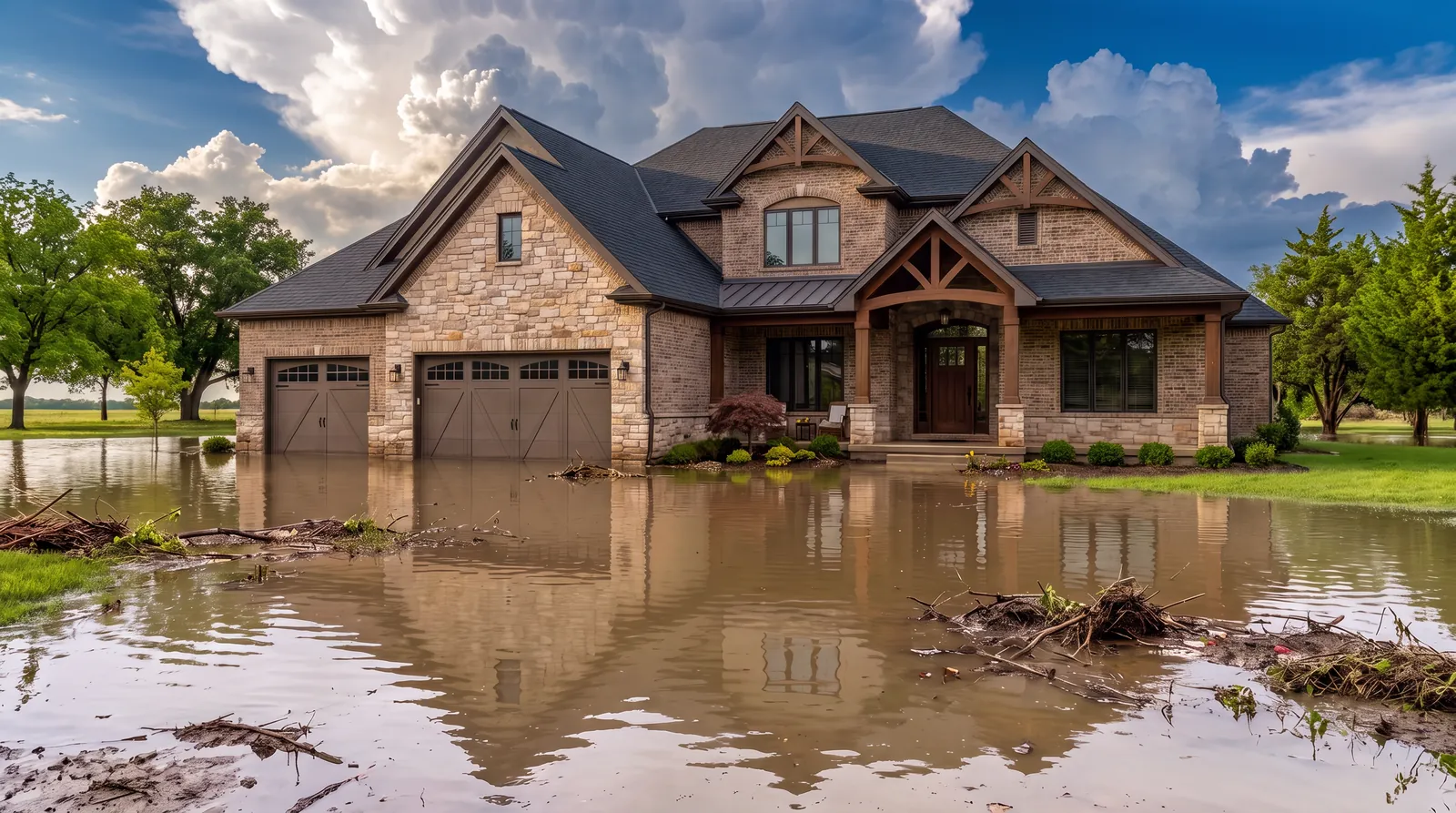
Rising water needs a separate flood policy. A burst pipe is generally covered; water coming in from outside is not. Creeks and low-water crossings across North Texas flood fast in heavy storms, and homes outside mapped high-risk zones flood too, so check your zone instead of assuming.

Not covered
Upkeep

Wear, Tear & Neglect

Insurance covers sudden and accidental damage, not gradual. A roof at the end of its life, slow leaks, rot, pests and deferred maintenance are yours. Roof age and condition also weigh heavily on how Texas homes are priced and renewed. Hail sees to that.

Is your dwelling limit still the right number?

It's the most common gap we find, and the easiest to fix before you need it. We'll recalculate rebuild cost with you and compare what several carriers offer.

Coverage Basics

The four decisions that actually shape your policy.

Past the six coverages, a handful of choices decide whether your policy holds up. These are the ones worth understanding.

1. Rebuild cost, and the cushion above it

Rebuild cost is what a contractor would charge today to put your house back: labor, materials, permits, debris removal and the extra cost of building one house instead of a subdivision. It has nothing to do with your purchase price or your mortgage balance.

Even a well-set limit can fall short after a widespread storm, when lots of homes need roofers and contractors at once and prices climb. That's what extended replacement cost is for, where available. It adds a cushion above your dwelling limit for exactly this situation. Pair it with building code upgrade coverage, which helps pay the difference when current code requires more than your house was built to. On an older home, code upgrades alone can add up.

2. Replacement cost versus actual cash value

Replacement cost pays to replace what you lost with new equivalents. Actual cash value pays the depreciated value. For belongings, the upgrade to replacement cost is inexpensive and worth it for nearly everyone.

Watch your roof in particular. Many Texas policies settle roof claims at actual cash value, or reduce roof payments based on age, because hail claims are so common here. Under actual cash value, an older roof pays out like an older roof, minus depreciation and your deductible, while the new one is billed at today's prices. Replacement cost roof coverage, where your roof qualifies, pays to put on a new roof, minus your deductible. The gap can be thousands of dollars, and it's one of the first lines we read on a policy you already have.

3. Your deductibles, including the one you may not know about

The all-perils deductible is your main pricing lever. The right one is the largest number you could write a check for tomorrow without wincing. Moving to a higher deductible can pay for itself over a few claim-free years.

Many North Texas policies also carry a separate wind and hail deductible, calculated as a percentage of your dwelling limit, commonly 1 to 2 percent here. Round numbers make it concrete: for example, 1 percent of a $350,000 dwelling limit is $3,500, and 2 percent is $7,000. It applies exactly when you can least absorb it, the morning after a hailstorm, and terms vary by carrier, so know your number before storm season.

4. Liability, and why the umbrella is usually the best value on the page

Your homeowners liability limit protects your assets when someone is hurt on your property or you're found responsible for damage elsewhere. Many policies start at $300,000, which may not match what you'd stand to lose. A pool, a trampoline or a teenage driver in the house all raise the stakes.

An umbrella policy adds $1 million or more on top of both your home and auto liability, and for most households it costs less than people expect. Measured in protection per dollar of premium, few things on the page come close. If you own a home, you have assets worth defending.

Send us your declarations page. We'll read it with you.

Dwelling limit, roof settlement, wind/hail deductible and liability. We'll flag what's exposed and what's fine, then shop the fix across several carriers. No pressure either way.

North Texas Weather, Honestly

Hail, wind deductibles and the roof over your head.

You've seen the spring storms and heard the roofers knocking. Here's how each piece usually shows up on a North Texas homeowners policy, without the scare tactics.

Hail country, and the deductible that comes with it

North Texas is among the most hail-prone areas in the country. Severe spring thunderstorms move across Collin and Denton counties with large hail, straight-line winds and the occasional tornado, and a single storm can put tarps on roofs from Frisco to McKinney in an afternoon. On a homeowners policy, wind and hail are typically covered, subject to your deductible.

The catch is usually that deductible. Many North Texas policies carry a separate percentage deductible for wind and hail, commonly 1 to 2 percent of the dwelling limit. For example, on a $350,000 dwelling limit, 1 percent is $3,500 and 2 percent is $7,000 out of pocket on a hail or wind claim. A lower percentage costs more in premium; a higher one costs less and asks more of your savings. There's no wrong answer, only an unexamined one, and comparing carriers often shows real differences here. (Coastal windstorm rules apply on the Gulf Coast, not in Frisco.)

Your roof: age, settlement and impact-resistant shingles

Texas policies price the roof harder than almost any other feature of the house. Roof age affects both what you pay and what coverage is available, and the settlement terms matter as much as the premium. With replacement cost roof coverage, a covered hail claim pays to put on a new roof, minus your deductible. With actual cash value settlement, the payout is reduced for the roof's age and wear, so an older roof can leave a real gap between the check and the contractor's invoice.

Replacing the roof anyway? Ask about impact-resistant (Class 4) shingles. They're built to stand up better to hail, and some carriers may offer a discount for them. Bring us the product and installation paperwork and we'll check which carriers recognize it.

Freeze and burst pipes: the February 2021 lesson

The February 2021 winter storm taught North Texas that a freeze can do as much damage indoors as hail does outdoors. Sudden water damage from a pipe that freezes and bursts is generally covered, subject to your deductible and the policy's conditions. Those conditions usually expect reasonable care, like keeping the heat on or shutting off and draining the water if the house sits empty. Insulate exposed pipes, know where your main shutoff is and drip faucets when a hard freeze is forecast.

The ground under the house: slabs and clay soil

Most homes here sit on a slab foundation over expansive clay that swells when wet and shrinks in drought. The foundation movement, slab cracks and sticking doors that follow are generally excluded as earth movement, settling or wear. Where a sudden plumbing leak is involved, some policies may cover certain resulting damage, but that depends heavily on the policy wording. We'll read yours with you before you need it.

Flash flooding near creeks and low spots

Flooding is excluded from homeowners policies entirely. Heavy spring and fall storms can send creeks, drainage channels and low-water crossings out of their banks quickly across North Texas. A flood policy is a separate purchase, and NFIP policies generally have a 30-day waiting period, so don't wait for the forecast.

If you've been non-renewed or declined

Non-renewal isn't cancellation, and it's often about an insurer's appetite, not you. After heavy hail years, insurers re-underwrite whole areas, and roof age is frequently part of the story. Texas requires written notice at least 60 days before your policy expires, which is enough time if you start right away. Because we represent multiple insurance companies, we can shop your home across several carriers instead of starting over with one. Call us the day the letter arrives.

If no standard insurer will write the home, the Texas FAIR Plan is the state's residual market of last resort. Applicants generally need to have been turned down by at least two companies first, and it's usually narrower than a standard policy. We can walk you through it. For consumer questions, the Texas Department of Insurance help line is 800-252-3439.

Hail season coming, or already been hit?

Before the next storm, let us check your wind/hail deductible, your roof settlement terms and your dwelling limit. No charge and no pitch.

Seven honest ways to lower your premium. Without hollowing out the policy.

The biggest levers are usually shopping several carriers and bundling with auto. The rest stack on top.

1

Bundle home with auto

Placing home and auto together may lower what you pay on both, and a multi-policy discount may apply. It also puts your whole plan with one local agency that can see the full picture. Start with an auto quote and we'll price the pair.

2

Let us shop it across several carriers

Different insurers price the same house differently. As an independent agency, we compare several of them side by side and explain the differences in coverage, not just price. You get choices instead of one take-it-or-leave-it renewal.

3

Raise the deductible your savings can actually cover

A higher deductible can trim the premium enough to pay for itself over a few claim-free years. The right deductible is the biggest number you could write a check for tomorrow without losing sleep. The same logic applies to a percentage wind/hail deductible.

4

Stop insuring the land

If your dwelling limit was set from market value, part of it may be paying for coverage that can never pay out, since nobody rebuilds dirt. Recalculating to true rebuild cost sometimes lowers the premium. Sometimes it raises it, because the limit was short. Either way you find out now instead of at a claim.

5

Think hard before filing a small claim

For example, a $3,000 claim on a $2,000 deductible nets you $1,000 and can follow the property for years, in both your rate and your options. Small losses are often cheaper to pay out of pocket, and we'll tell you honestly when that's the case.

6

Stack the boring discounts

Ask which of these may apply: monitored alarm, water leak detection, a newer or impact-resistant roof, updated electrical and plumbing, a newer home, claims-free history, paperless billing, paying in full. Each is small, but they can add up, and they're exactly the kind of thing that falls off a policy without anyone noticing.

7

Review it every year, because your home changes

Rebuild costs move, roofs age and families add rooms, cars and teenage drivers. Once a year we sit down with you for a coverage and discount review, home, auto and everything else in one place. What doesn't work: shaving the dwelling limit to hit a target premium. That's not a saving, it's a deferred loss.

Every North Texas home is a little different. We work through them all.

A creek behind the fence, a pool in the backyard, a slab that has seen a few droughts, a home you rent out. Each one changes how the policy should be built.

Under contract, or renewing soon?

Tell us the address and we'll tell you what's available, what it costs across several carriers and what could make it cheaper. Straight answer, no obligation.

Homeowners insurance in Frisco. And across North Texas.

Home insurance is priced address by address. Hail history, the age of the roof and distance to a creek can change the answer. We write homes throughout Collin and Denton counties, and across all of Texas.

Frisco home insurance questions. Straight answers.

Is homeowners insurance required in Texas?

Texas law doesn't require homeowners insurance. Your mortgage lender does, and they will want it in writing, with the lender named on the policy.

If coverage lapses, the lender can buy force-placed insurance and bill you for it. That coverage is usually more expensive and protects the lender's interest, not yours. If you own your home free and clear, going without is your call, but it's a bet against your largest asset.

What does homeowners insurance actually cover?

A standard HO-3 policy covers six things: the dwelling (the structure), other structures (fence, detached garage, shed), personal property (your belongings), loss of use (somewhere to live during repairs), personal liability (if someone is hurt or you damage someone else's property), and medical payments to guests.

Covered perils generally include fire, smoke, theft, vandalism, falling objects, most sudden water damage, such as a pipe that bursts, and, on a typical North Texas policy, wind and hail, often subject to a separate percentage deductible. The big exclusions are flood, earth movement such as foundation settling, and anything that counts as maintenance or wear.

How much is homeowners insurance in Frisco?

It depends on the address more than almost any other kind of insurance. In North Texas the price is driven heavily by hail and wind exposure, your roof's age and material, the home's rebuild cost, your deductible choices and your claims history.

Averages don't tell you much about your home, so we quote your actual address instead. Because we're an independent agency, we shop several carriers and compare them side by side. Bundling with auto may lower what you pay on both.

How much dwelling coverage do I need?

Your dwelling limit should equal the cost to rebuild your home. Not what you paid, not what Zillow says and not what you owe. Rebuild cost is what a contractor would charge today for labor, materials, permits and debris removal.

The costly mistake is under-insuring. Construction costs move, and a limit set years ago and nudged up a little each renewal can drift well short of today's number. We recalculate it with you instead of letting it drift.

Does homeowners insurance cover hail and wind damage in North Texas?

Generally yes, subject to your deductible. Hail and wind are typically covered perils on a homeowners policy, but many North Texas policies apply a separate percentage wind/hail deductible, commonly 1 to 2 percent of your dwelling limit.

Two more lines to read before storm season: whether your roof settles at replacement cost or actual cash value, and whether the policy reduces roof payments based on age. Those terms decide what a hail claim actually pays. Water that rises from outside, like a flooded creek or street, is flood, and that needs a separate flood policy.

Does homeowners insurance cover flood?

No. Rising water is excluded from standard homeowners policies. Flood coverage is a separate policy, often through the National Flood Insurance Program (NFIP), and we can set it up alongside your home policy.

NFIP policies generally have a 30-day waiting period, so buy before the forecast turns. If your home is in a high-risk flood zone and you have a mortgage, your lender will require it. Flash flooding happens across North Texas, and homes near creeks, drainage channels and low-water crossings deserve a look even outside mapped high-risk zones.

Does homeowners insurance cover foundation problems?

Usually not. North Texas clay soil swells when it's wet and shrinks in drought, and foundation movement, settling and the cracks that follow are generally excluded as earth movement or wear and tear.

The nuance is water. When a sudden plumbing leak under a slab causes damage, some policies may cover certain resulting damage, and the details depend on the policy wording. Fix leaks quickly, and call us before you file so we can walk through what your policy says.

Are frozen and burst pipes covered?

Generally yes, when the damage is sudden and accidental. Water damage from a pipe that freezes and bursts is typically covered, subject to your deductible and the policy's conditions. Many policies expect reasonable care, such as keeping the heat on or shutting off and draining the water if the home sits empty.

The February 2021 winter storm showed how fast this can happen across North Texas. Insulate exposed pipes, know where your main shutoff is and drip faucets when a hard freeze is forecast. The pipe repair itself may be treated differently from the water damage it caused, so read the policy with us.

What's the difference between replacement cost and actual cash value?

Replacement cost pays to replace what you lost with new, equivalent items. Actual cash value pays the depreciated value, so an older roof pays out like an older roof, not a new one.

For belongings, replacement cost is worth the modest premium difference for nearly everyone. Watch the roof in particular. Many Texas policies settle roofs at actual cash value or reduce roof payments by age, because hail claims are so common here, and the gap at claim time can be thousands of dollars. It's one of the first things we check on a policy you already have.

What is a wind or hail percentage deductible?

Many North Texas policies carry a separate deductible for wind and hail, calculated as a percentage of your dwelling limit instead of a flat dollar amount, commonly 1 to 2 percent here. For example, on a $350,000 dwelling limit, a 1 percent deductible would be $3,500 out of pocket on a wind or hail claim, and 2 percent would be $7,000.

Terms vary by carrier. Know your number before spring storm season. When we quote, we'll show you how different deductible choices change the premium.

My insurer non-renewed me or I can't find coverage. What now?

Call us the day the letter arrives. Non-renewal isn't cancellation, and it's often about the insurer's appetite, not you. Texas requires written notice at least 60 days before your policy expires, which is enough time if you start right away. Because we represent multiple insurance companies, we can shop your home across several carriers instead of starting over with one.

If no standard insurer will write the home, the Texas FAIR Plan is the state's residual market of last resort. You generally need to have been turned down by at least two companies first, and it's usually narrower than a standard policy. We can walk you through it. For questions about your rights, the Texas Department of Insurance consumer help line is 800-252-3439.

Why use an independent agent for home insurance?

A captive agent can only offer one company's policies. We're an independent agency, so we represent multiple insurance companies, shop your coverage across several of them and compare the results with you.

Robert Hutchings is a Texas-licensed agent based in Frisco, and our job doesn't end at the sale. We help you manage your coverage as your home, your family and the insurance market change. We work for you, not an insurance company.

How can I lower my home insurance premium?

The reliable levers are bundling home with auto, raising your deductible if your savings can absorb it, and the roof: a newer roof or impact-resistant (Class 4) shingles may help your rate and your roof settlement terms. Shopping several carriers matters too, and that's what we do.

Then review it with us once a year. What to avoid is under-insuring the dwelling to chase a lower premium. If the limit won't rebuild the house, the savings were never real.

Still have questions? Call (972) 987-0650. We'll give you a straight answer.

Find out what your home really costs to insure.
Free, local and in plain English.

Tell us the address and what's in it. We'll get the rebuild number right, explain your wind/hail deductible and roof terms, and compare several carriers for you.